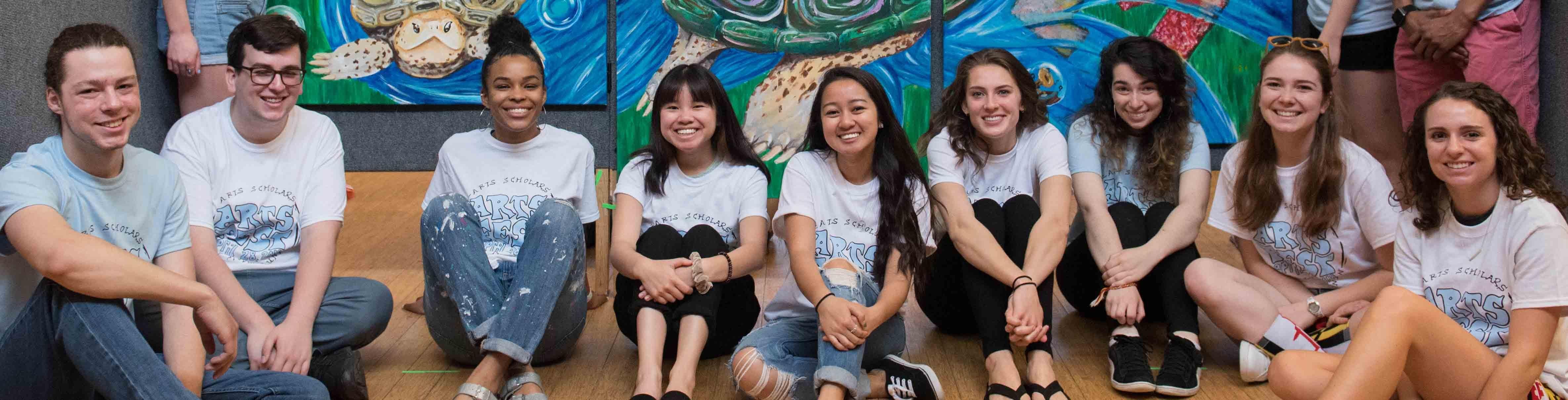
Arts
Examining the role of The Arts as a catalyst for healing, transformation and action

Introduction
The practice of Art—in its infinite forms, functions and implications—is the most accessible and universal way of constructing meaning out of the world we inhabit.
Our Philosophy: The Arts are not just for experts. They are not solely for the enjoyment of the elite. They are not a superfluous extravagance. The Arts are for us all, expert and novice alike. They are not just an end in and of themselves, but a means. They shape, and are shaped by the world we inhabit.
Students in the Arts Scholars program gain a deeper understanding of the impact of art as a means to explore society and culture against the backdrop of our individual differences and shared experiences.
What you can expect: No matter your major, area of artistic interest, or skill level, as a member of our community, you will be challenged to strengthen your personal artistic skill set, experiment with new and different art forms, and gain a deeper understanding of the value of the arts in our personal and collective lives. We will investigate the power of the arts to:
- Communicate difficult concepts
- Advocate for social change
- Investigate the human experience
- Explore our own identities
- Develop our capacities as creative problem solvers and critical thinkers
- Reinforce, but also upend, existing systems of inequality and oppression
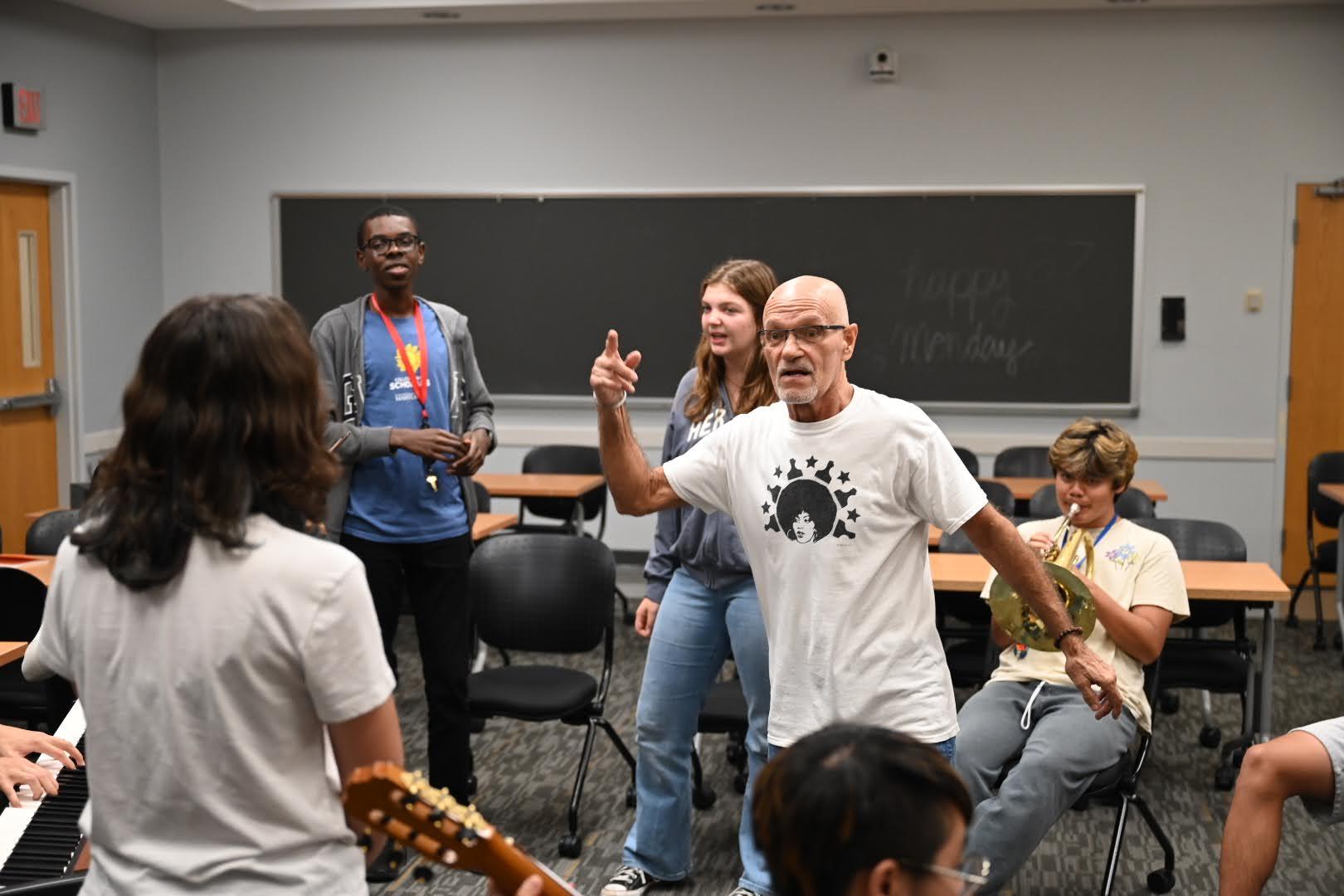
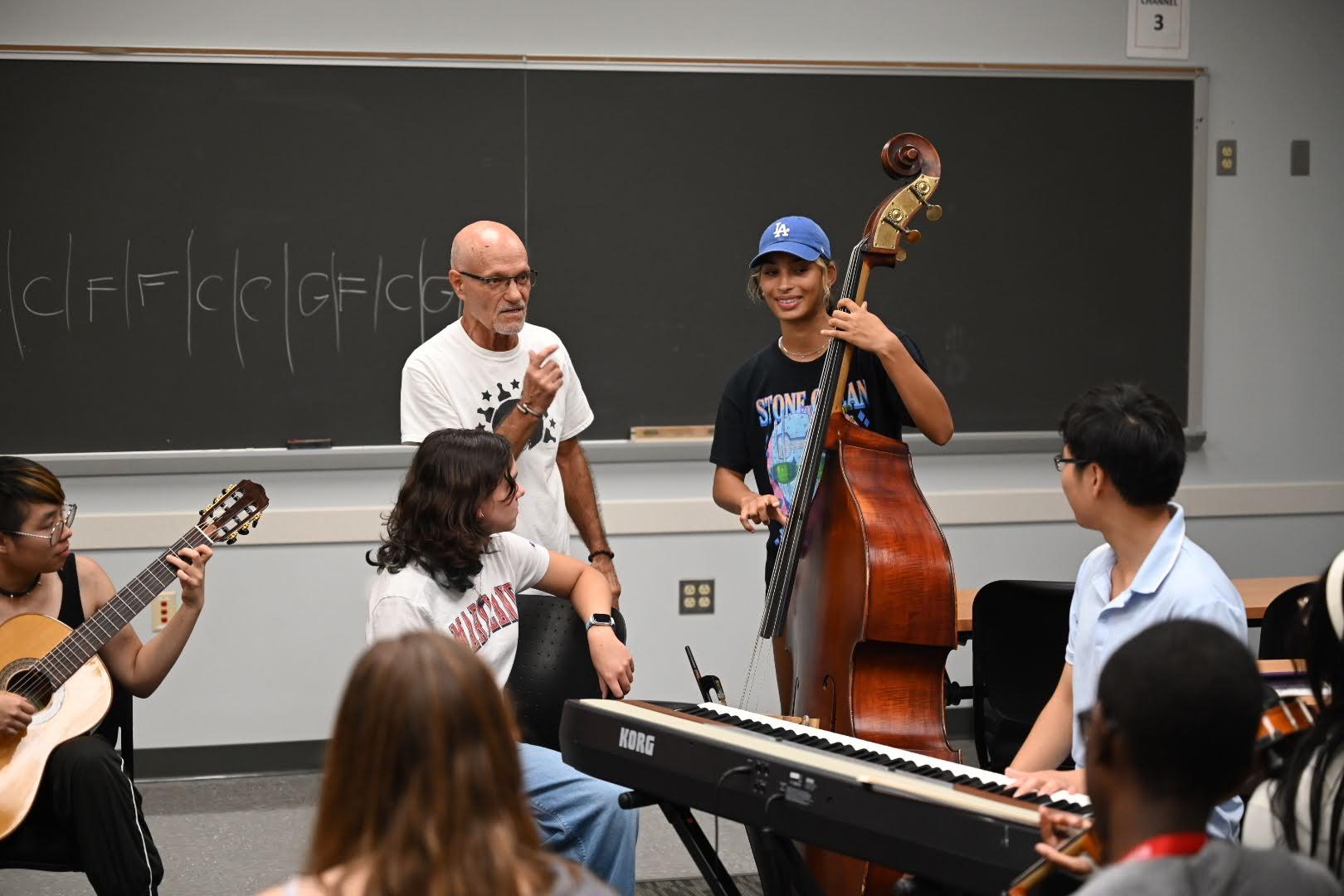
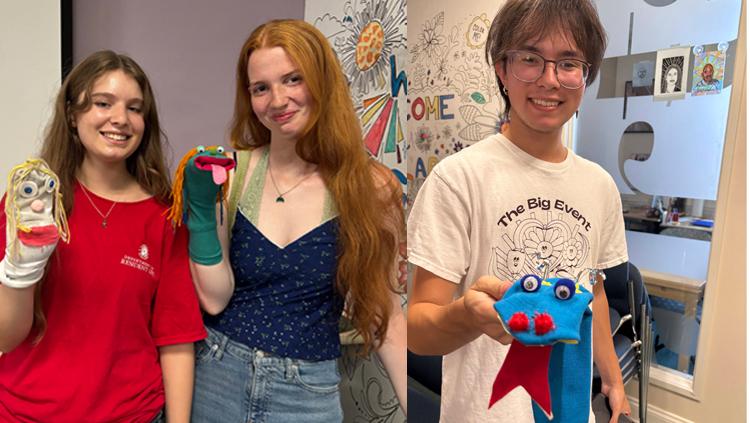
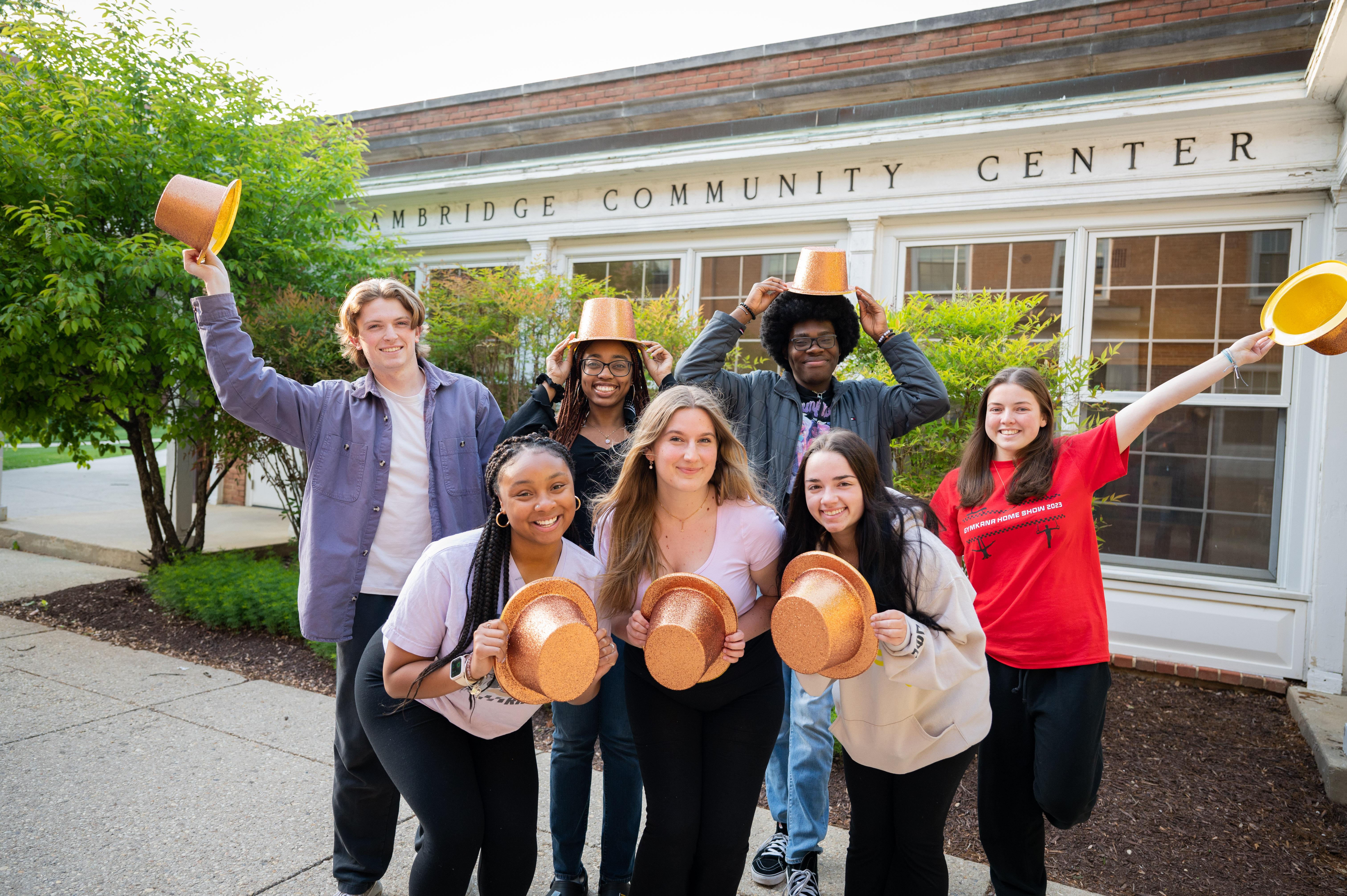

Colloquium and Lecture Topics
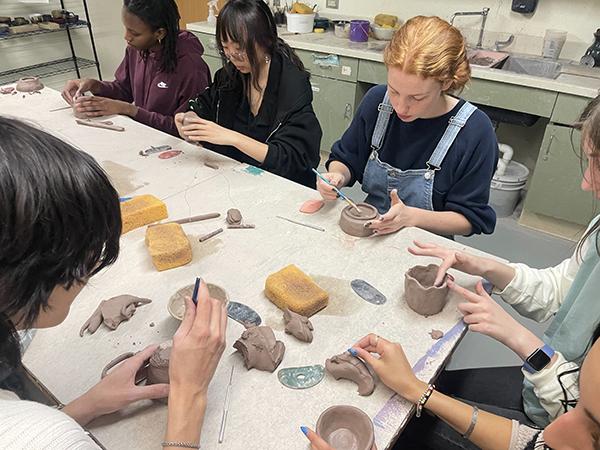
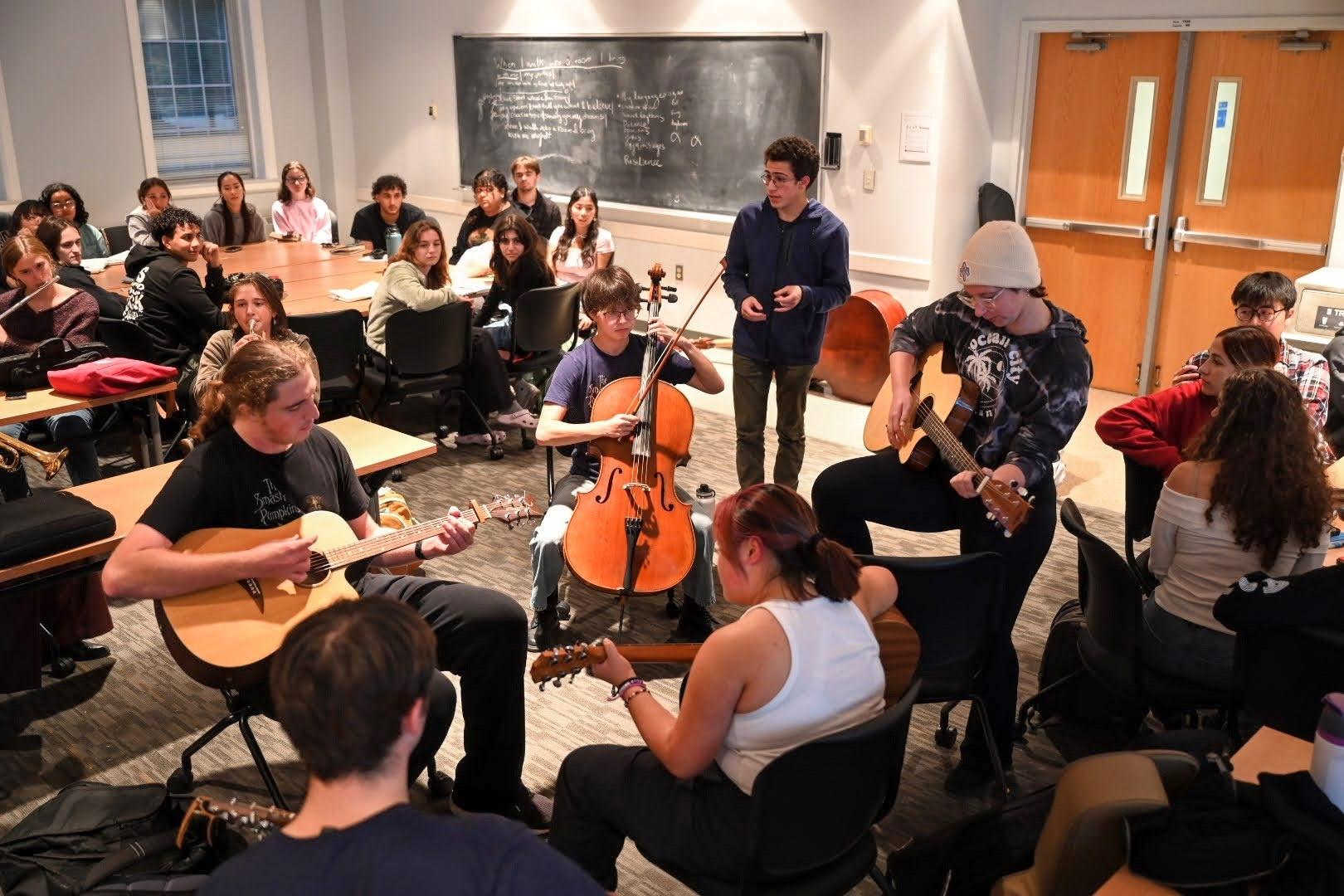
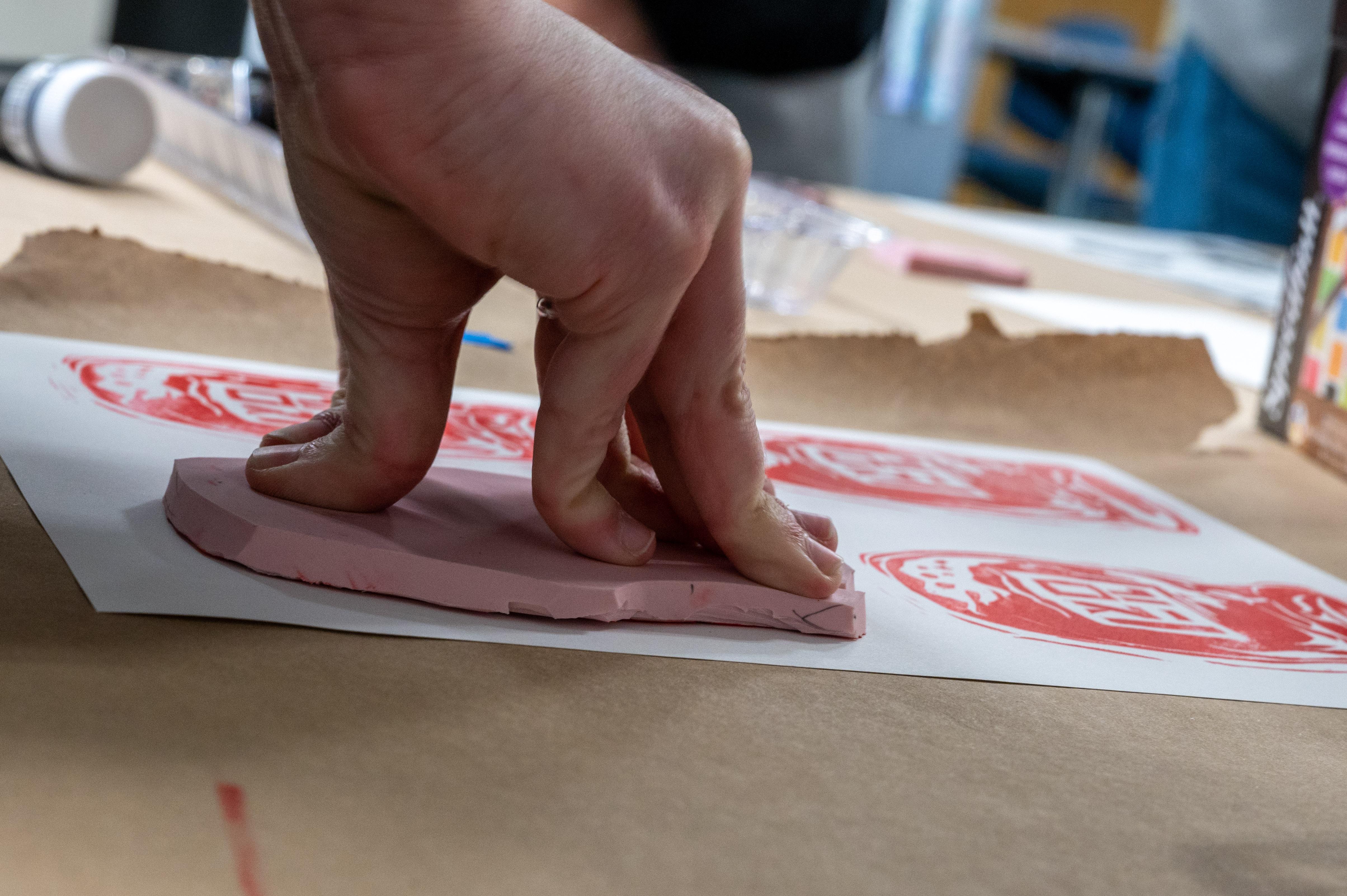
Through a mix of lectures, discussions, and guest artist workshops, and experiential projects, students consider (see our most recent “Year in Review” page for photos!):
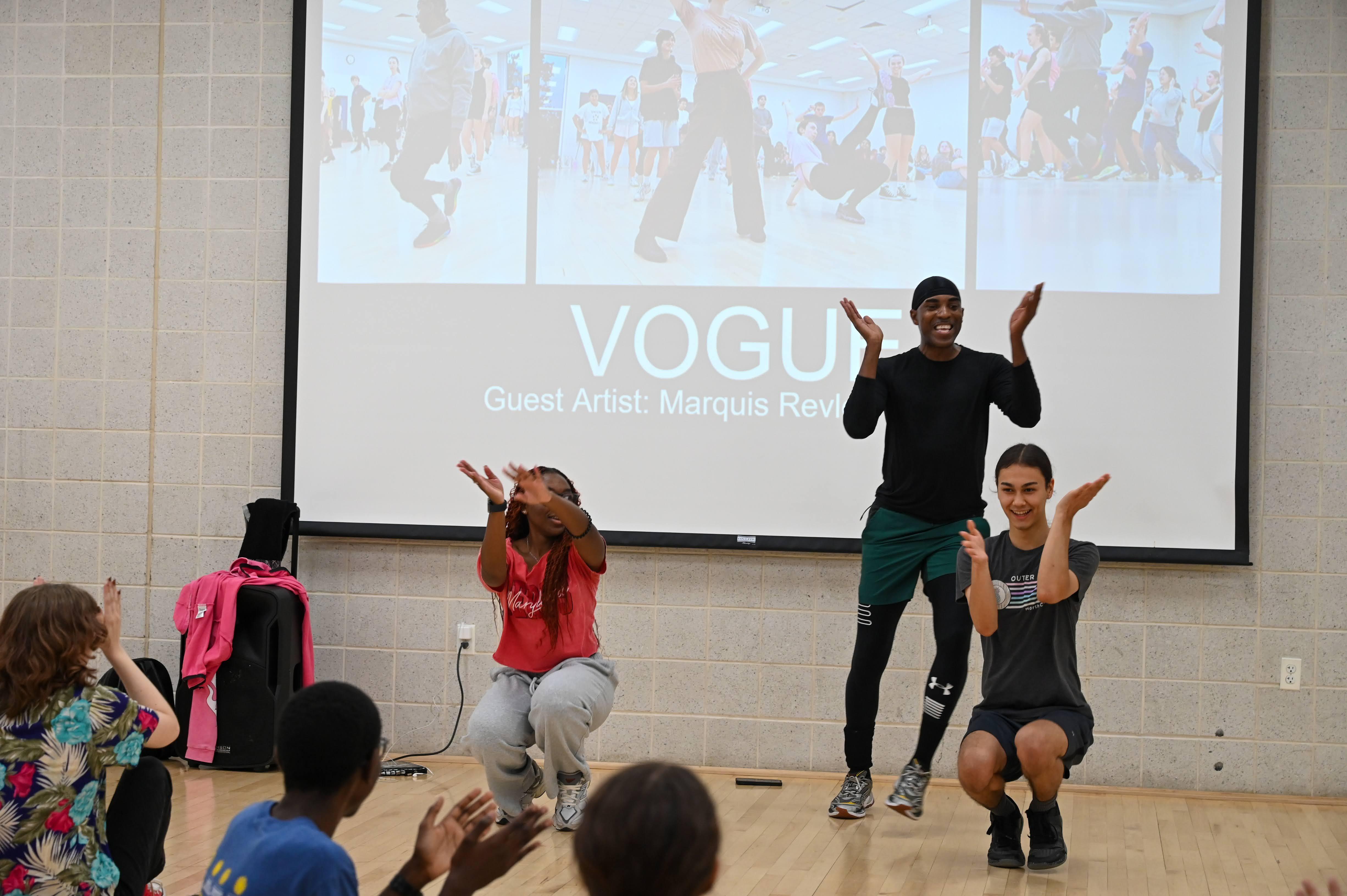
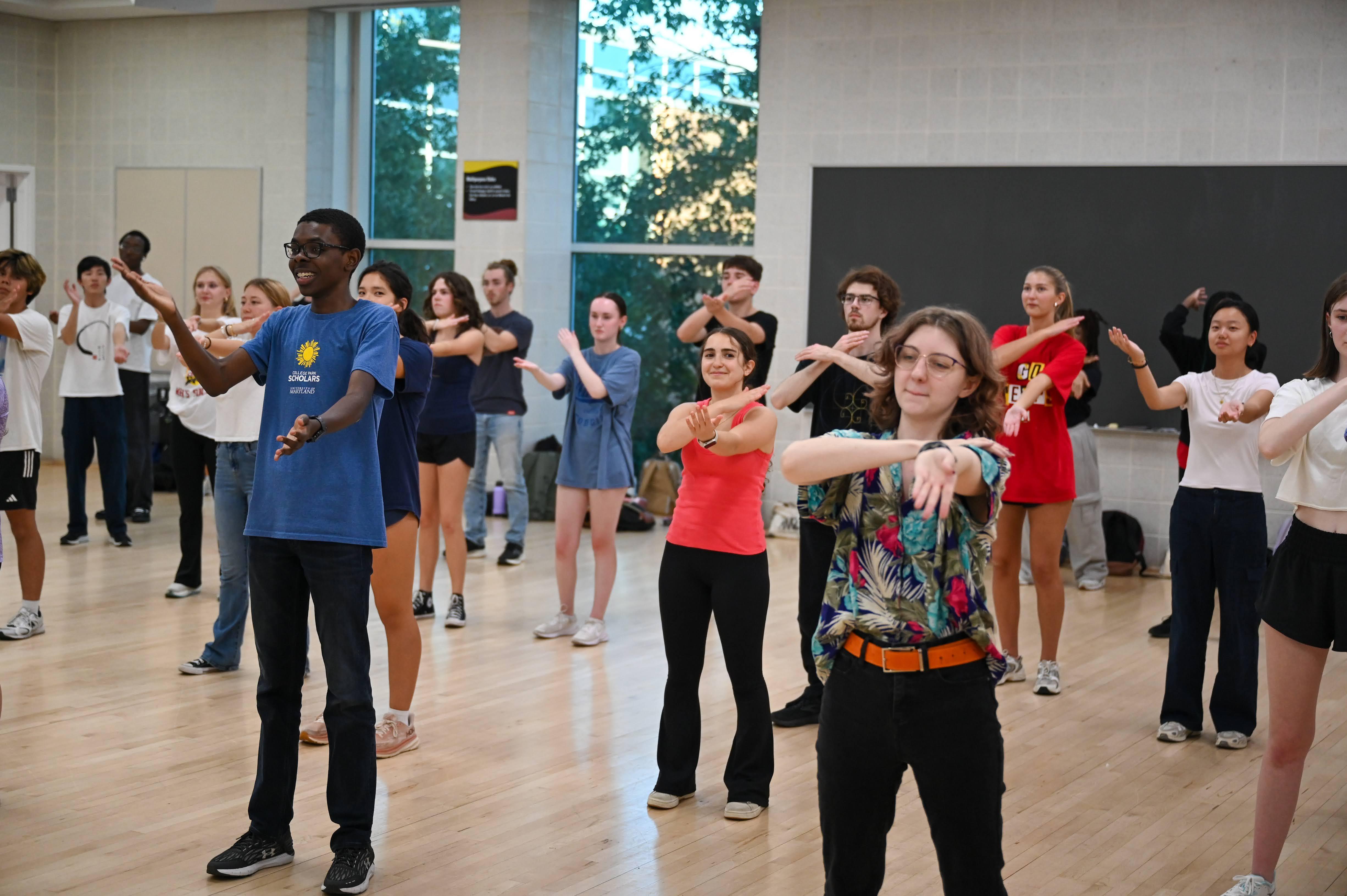
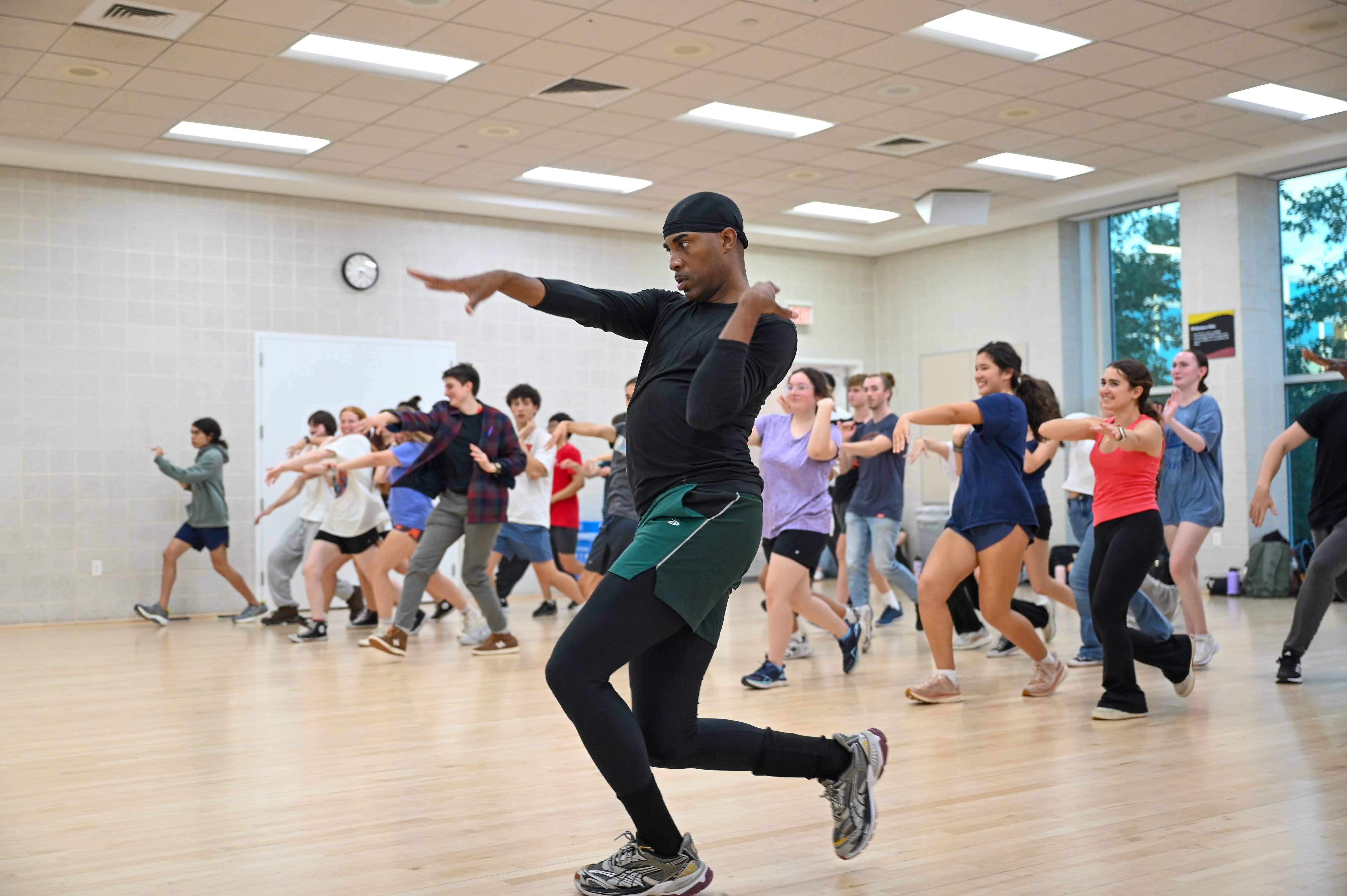
- Vogue Dancing: How can art be used as a tool for resilience, resistance, and social chance?
- Artistic Consumption: How is artistic “taste” shaped by our social identities?
- Creative Research: How can empirical research, rapid iteration, and prototype testing improve your creative process?
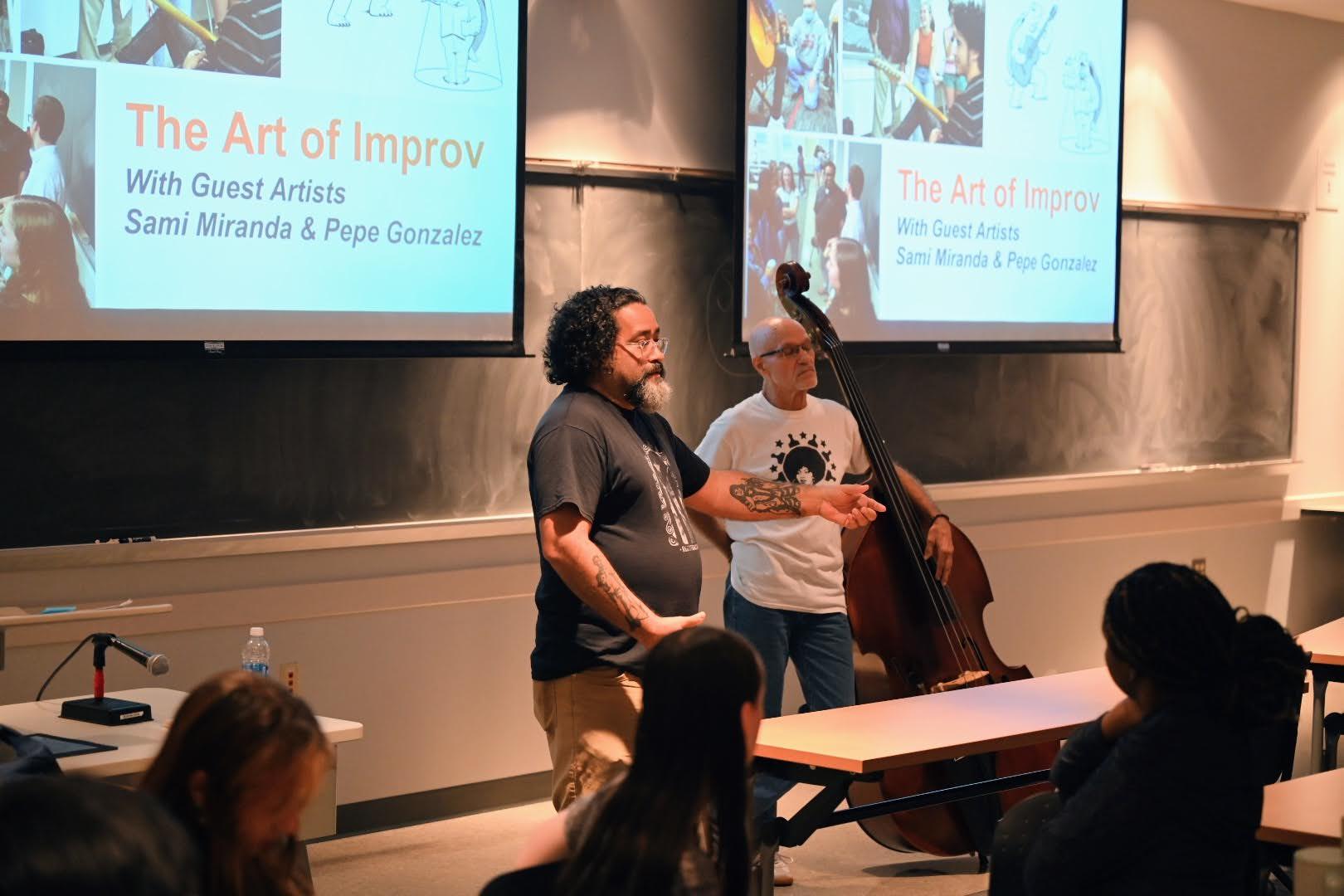
- Spoken Word Improv: How can the principles of improv inform and improve our everyday lives?
- Campus Galleries: How can slow-looking help us combat the pressures of a frenzied world?
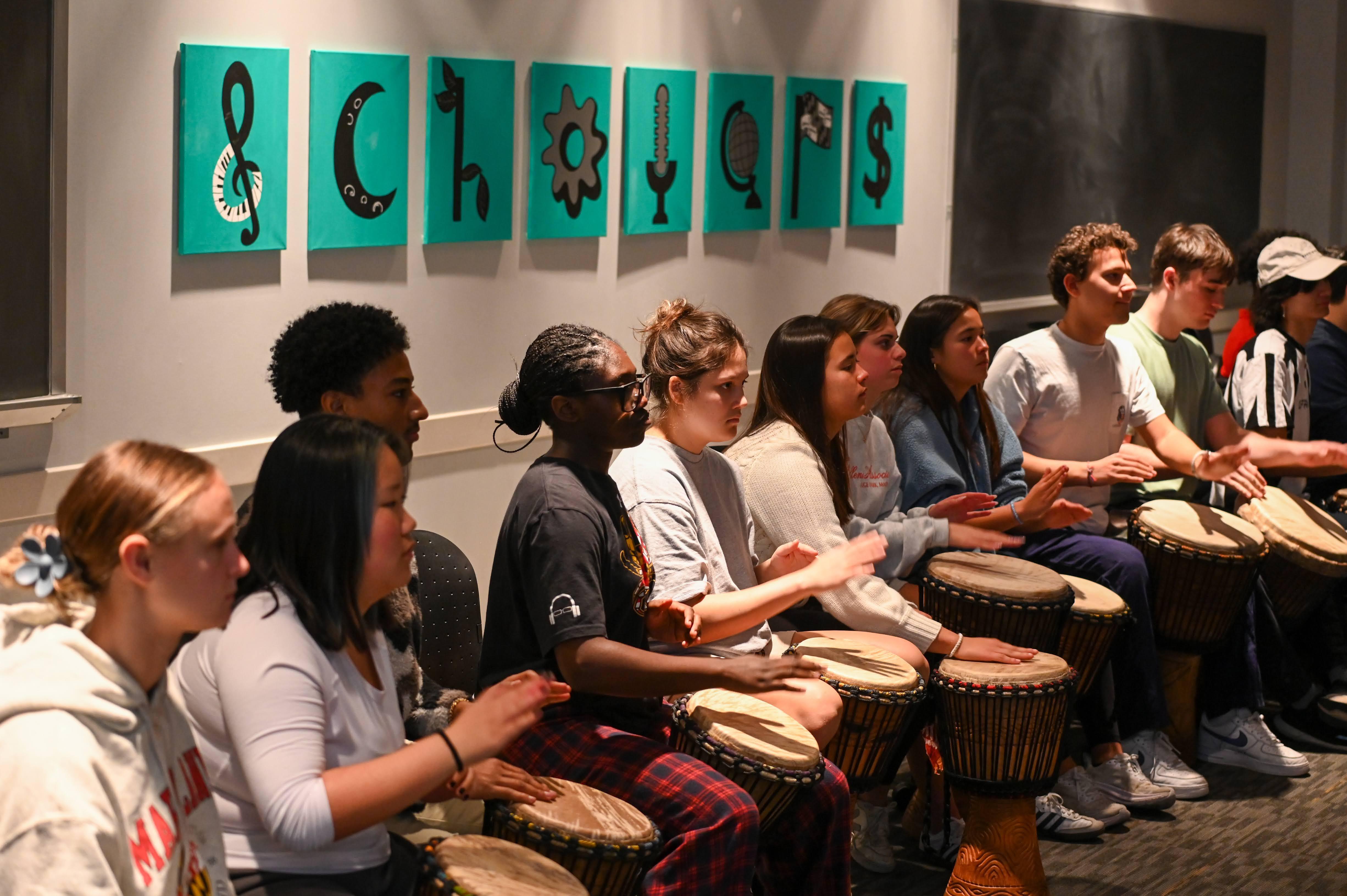
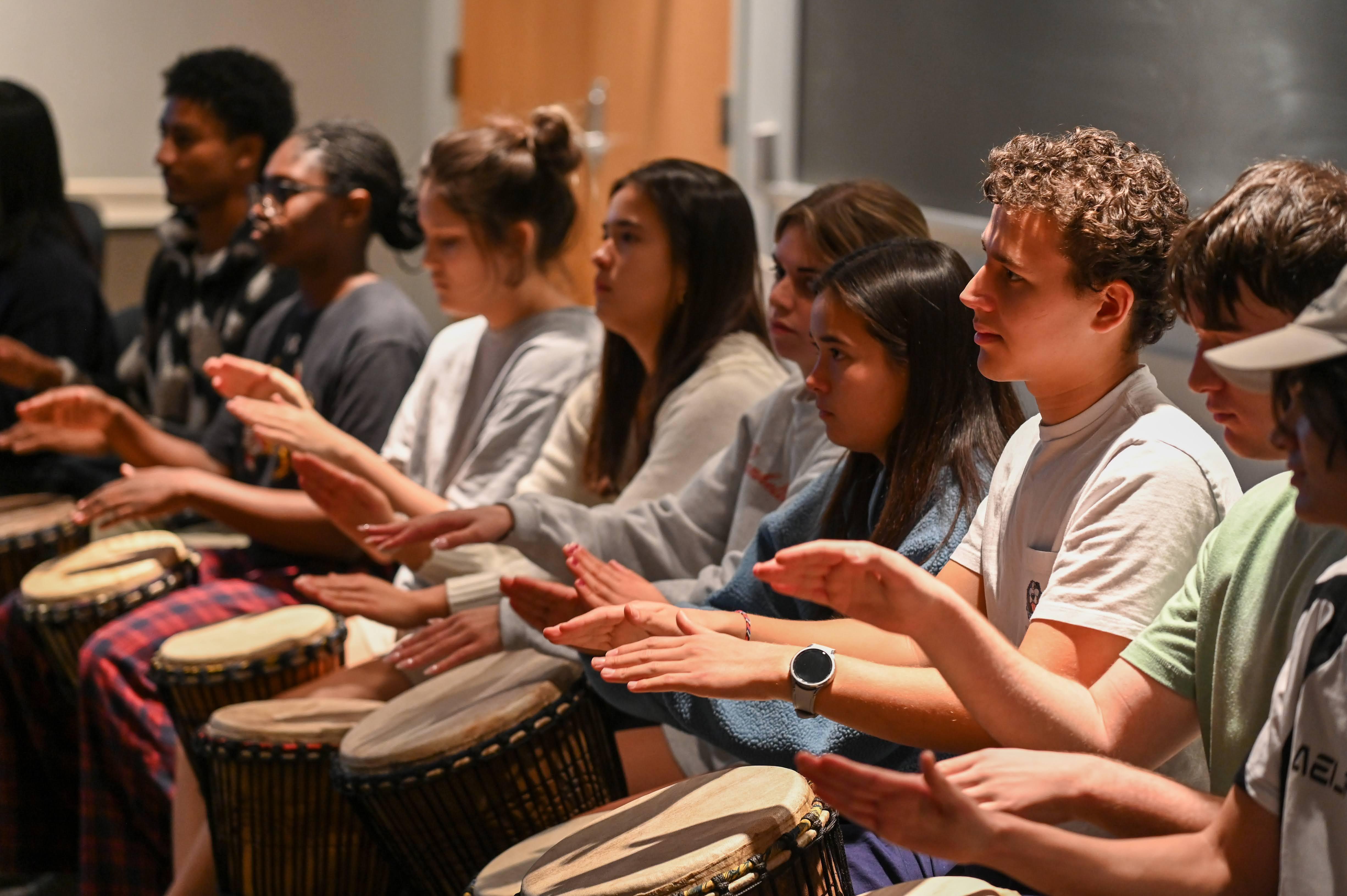
- West African Drumming: How can music build community, tell stories, and promote intercultural understanding?
I have been challenged to think differently, work cooperatively, embrace creativity and, most importantly, go beyond the limits I have set for myself. Because of this program, I can confidently say I feel infinitely more prepared for the “real world,” and for that confidence and growth, I could never be more grateful.
Other Learning Opportunities
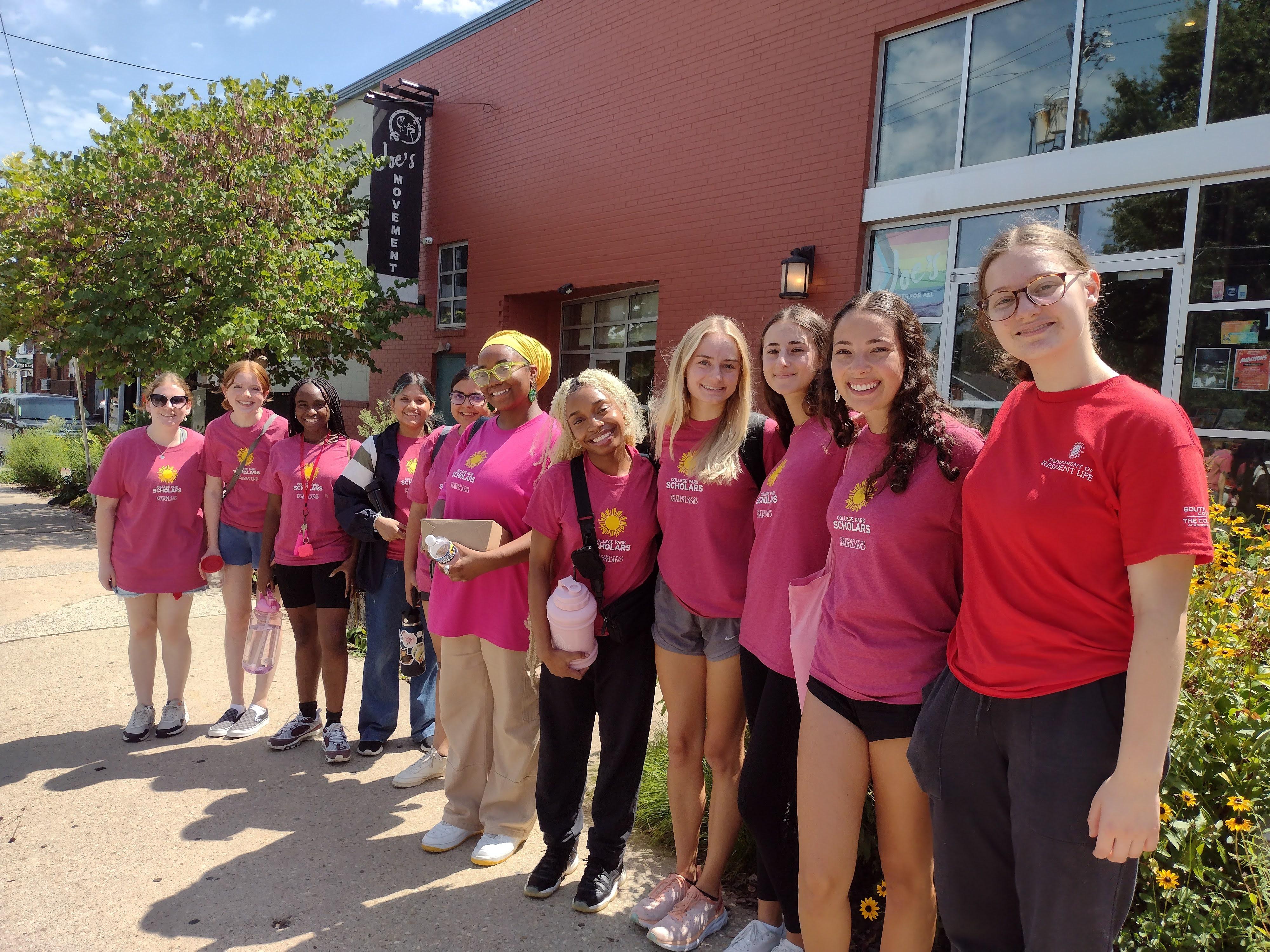
Outside the classroom, Arts Scholars have many other opportunities….
Experience the arts first hand:
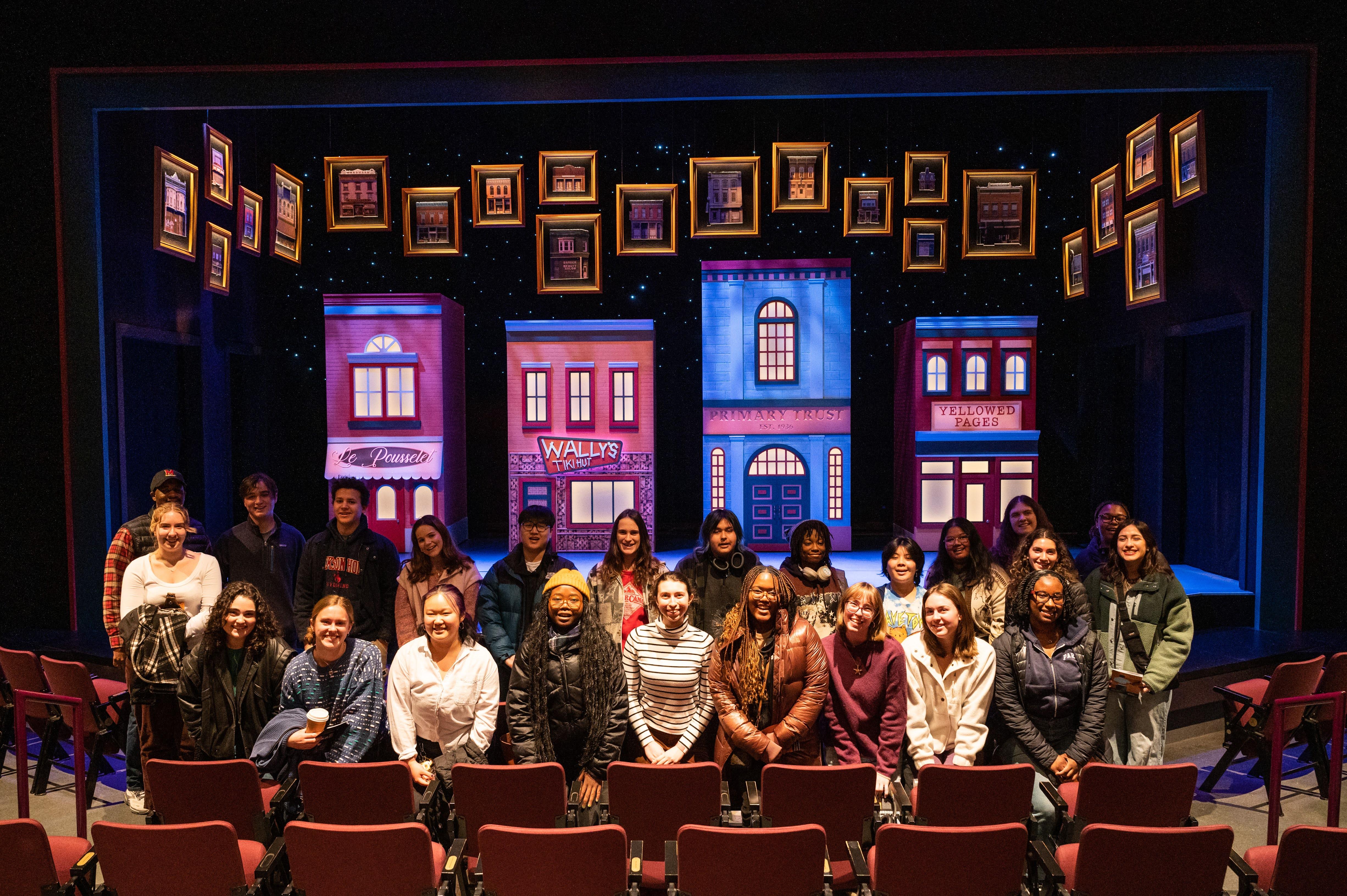
- Field trips: Each semester students visit locations such as The Clarice Performing Arts Center, the Everyman Theatre in Baltimore, the National Gallery of Art, and the National Museum of African American History and Culture.
- Maker Mixer: Teaching Assistant led community building events that include crafting, visiting campus galleries and maker-spaces, and attending shows on campus.
Creative Capstones:
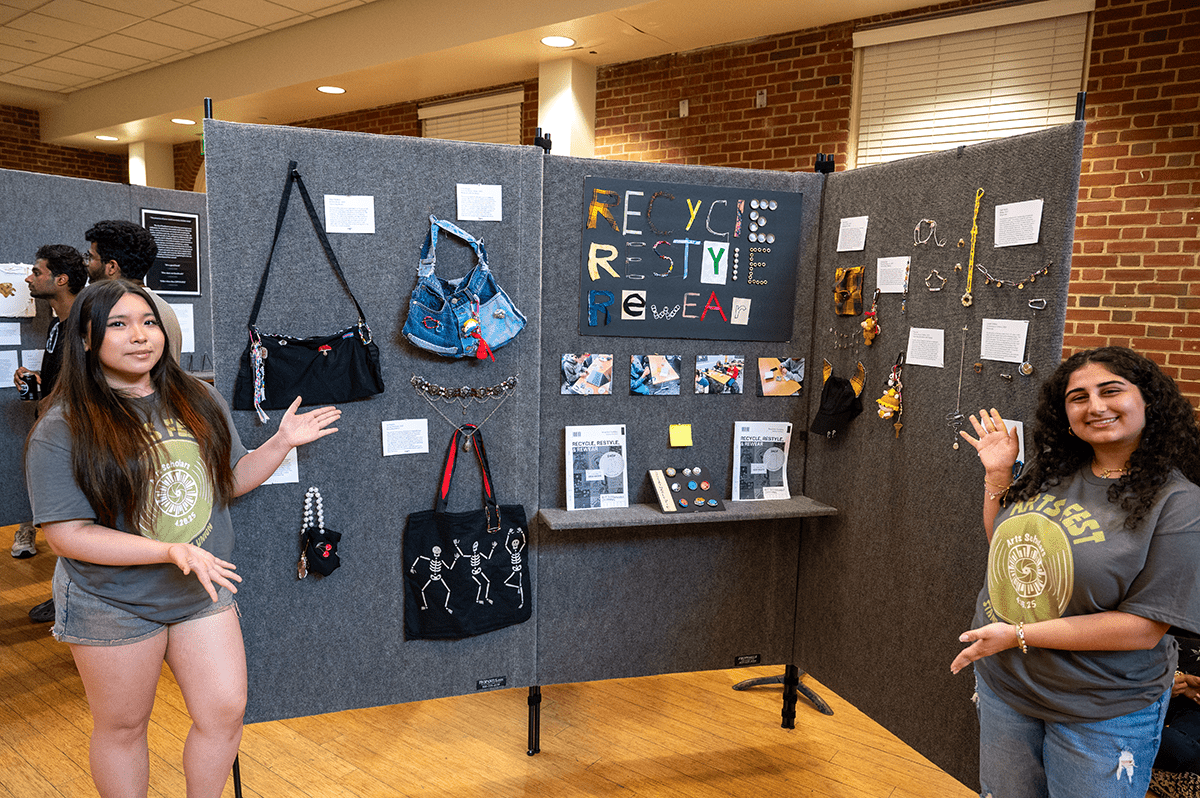
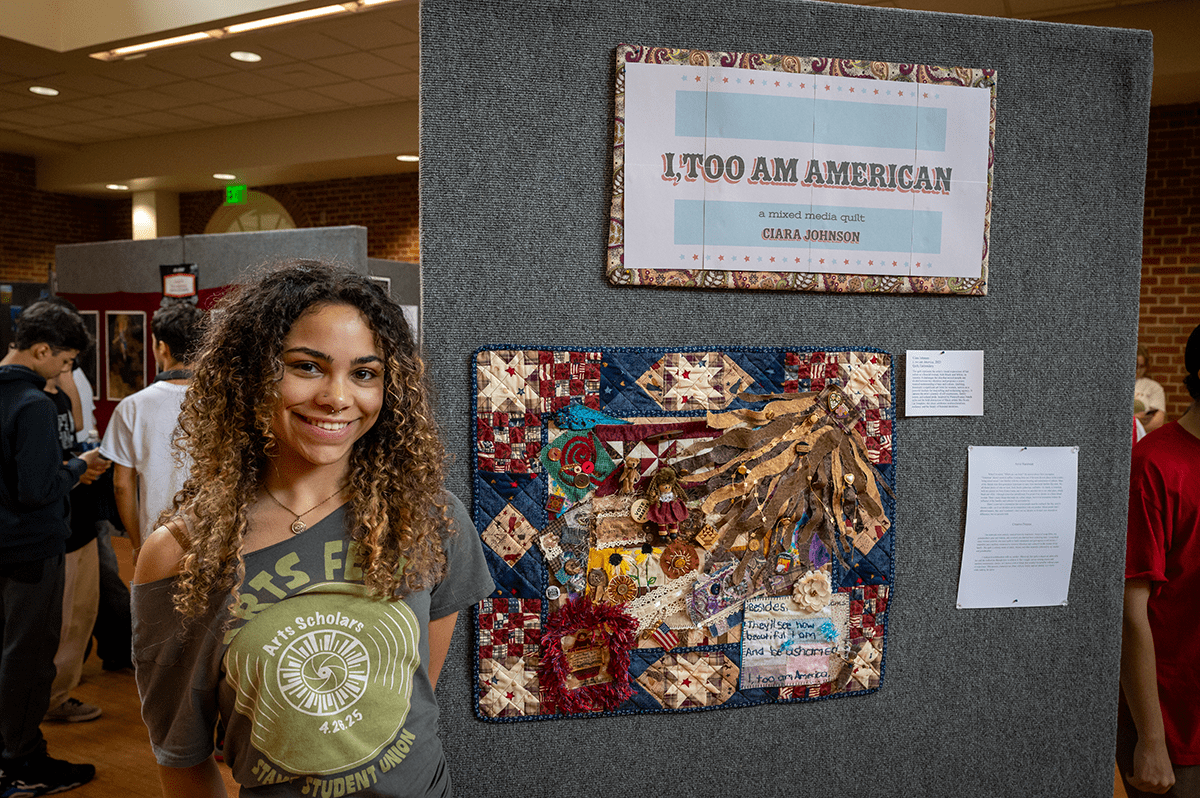
- Sophomores develop capstone projects - identifying a social issue of significance to them to be explored through an artistic medium of their choosing. The capstone project is about your unique view of the world and what you want your audience to understand or experience as a result.
- All capstones are displayed at ArtsFest- an annual exhibition of student work in the Stamp Student Union.
Leadership opportunities:
- Arts Media Team: Social Media & Newsletter assistants work with Arts Faculty to research, draft, and publish the weekly newsletters and Instagram posts to the community.
- Arts Teaching Assistants: Arts Scholars graduates build their skills and experience leading discussions, developing events, and serving as mentors to current students.
Curriculum Overview
Over the two-year program experience (four semesters), students will complete up to 6 credits of supporting courses that will count toward your Arts Scholars citation. In most cases, these will also fulfill General Education requirements. Note that your Scholars courses—colloquiums, capstone practicum and supporting courses—will generally be in addition to any courses you take to satisfy major requirements.
The following represents a typical two-year curriculum, but individual schedules may vary. Details about courses and requirements can be found on the Arts Citation Checklist.
| SEMESTER | COURSE | CREDITS |
|---|---|---|
| Semester 1 | CPSA 100: Colloquium I | 1 credit |
| Semester 2 | CPSA 101: Colloquium II | 1 credit |
| Semester 3 | CPSA 200: Colloquium III | 1 credit |
| Semester 4 | CPSA 201: Colloquium IV | 1 credits |
| CPSA 240: Service Learning; or CPSA 250: Research (DSSP); or CPSA 260: Peer Teaching (DSSP) |
2 credits 2 credits 2 credits |
|
| Semester 1, 2, 3, or 4 | Supporting Course (var. Gen Ed) Supporting Course (var. Gen Ed) Supporting Course (DVUP or DVCC) |
3 credits 3 credits 1-3 credits |
Sponsoring College
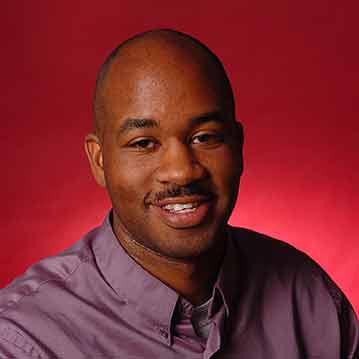
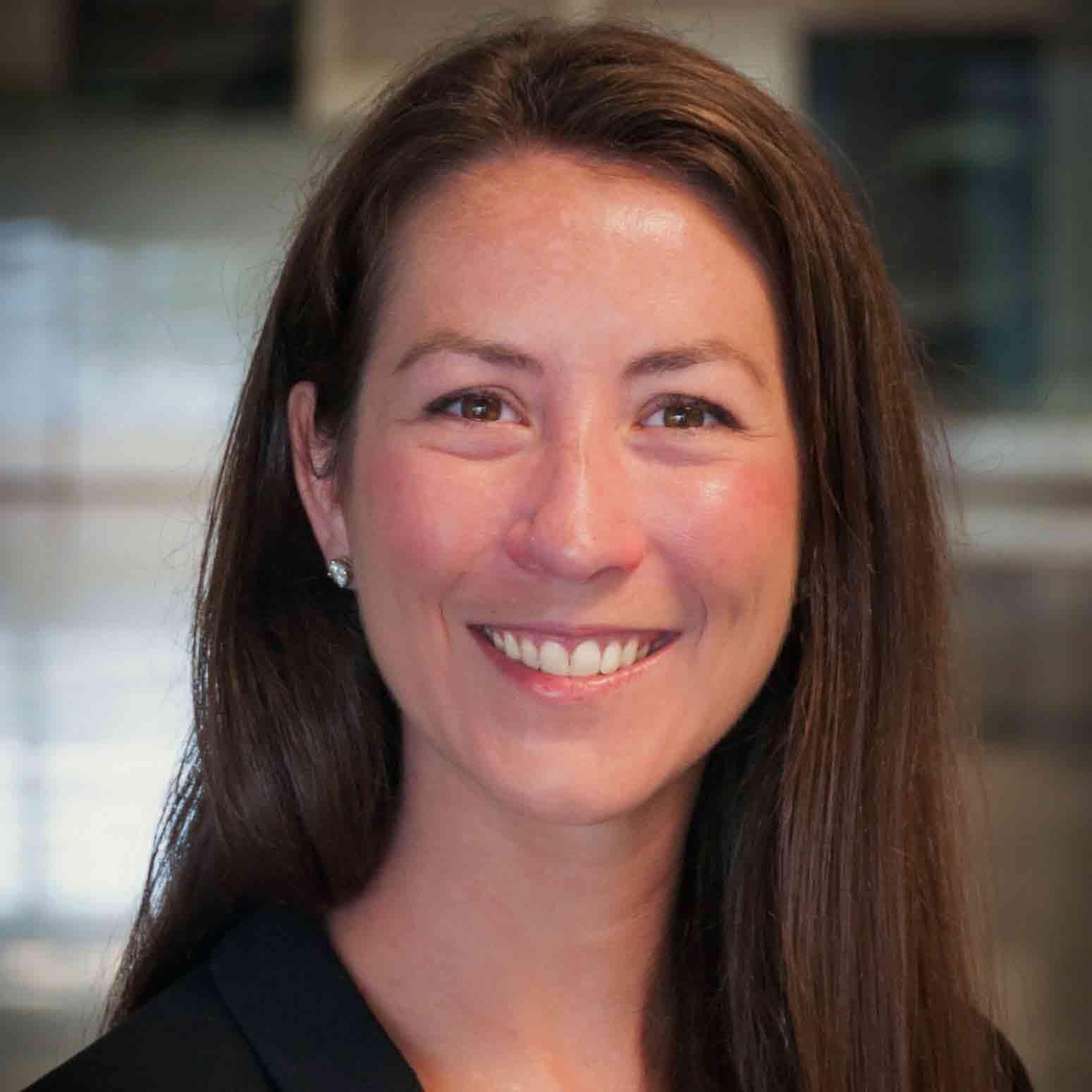
Faculty
The Diamondback: UMD students' dance workshop highlights Japanese Butoh style, May 2022
Arts News
A Scholar Takes a Cross-Cultural Venture into Science, Technology and Society
My first experience with Ecuador was in the winter of 2017. That was when I traveled there with Science, Technology and Society (STS) Assistant Director Matt Aruch and 16 other University of Maryland (UMD) students as a part of the STS-led short-term study abroad course, “Education, Technology and Society: Ecuador in Context.” I had originally found out about this opportunity during Admitted Students Open House when I was a senior in high school, and it had served as one of the many reasons I decided to join STS. I knew that I wanted to visit a Spanish-speaking country to sharpen my six years of school-acquired Spanish language and to experience the natural beauty of South America in an authentic and memorable way.
How Scholars Makes a Big School Feel Smaller
When students arrive at the University of Maryland (UMD), many feel overwhelmed by the enormity of the campus and its population. That’s why College Park Scholars works so hard to make a big school feel smaller. We do this by hosting events, encouraging discussions and connecting students with faculty and staff from day one—in other words, by building community. “Having a cohesive group of people interested in one idea ... is very powerful, and that’s one of the reasons why the Scholars living–learning experience is so special,” explains Cydnee Jordan, a sophomore public policy major and Justice and Legal Thought Scholar.
Life Sciences Scholar Writes Bill to Promote Organ Donation Education
Organ donation was not something of particular concern to Shani Kamberi a few years ago. She recalls watching a 15-minute video on it during her driver’s education class one summer, but the issue didn’t really click. Then came her senior year in high school. That was when Jonathan Bos, Kamberi’s AP English Literature teacher at Walter Johnson High School in Bethesda, Md., spoke to the class about organ donation. He had a personal story to tell, having received a heart transplant in 1999.
Scholarly Tradition of Academic Showcase Finds a New Home
College Park Scholars means two years of learning across disciplines, considering complicated problems and making connections between the classroom and the rest of the world. As a capstone to that experience, we require sophomore Scholars to identify and complete a practicum project. In 2017, a sophomore in our Environment, Technology and Economy program developed a sustainability intervention as part of an internship. A Science, Technology and Society student researched basic income and workforce automation. A group of Public Leadership sophomores organized to start a local chapter of a national camp for children of cancer patients.