Behind the success of a fall trip to Philadelphia for first-year students in College Park Scholars, several programs quickly planned a second-semester excursion. This time, students from five programs would travel to the Eastern Shore of Maryland to explore the effects of climate change on the Chesapeake Bay, especially the oyster population, before delving into the world of famed abolitionist Harriet Tubman, a native of the area.
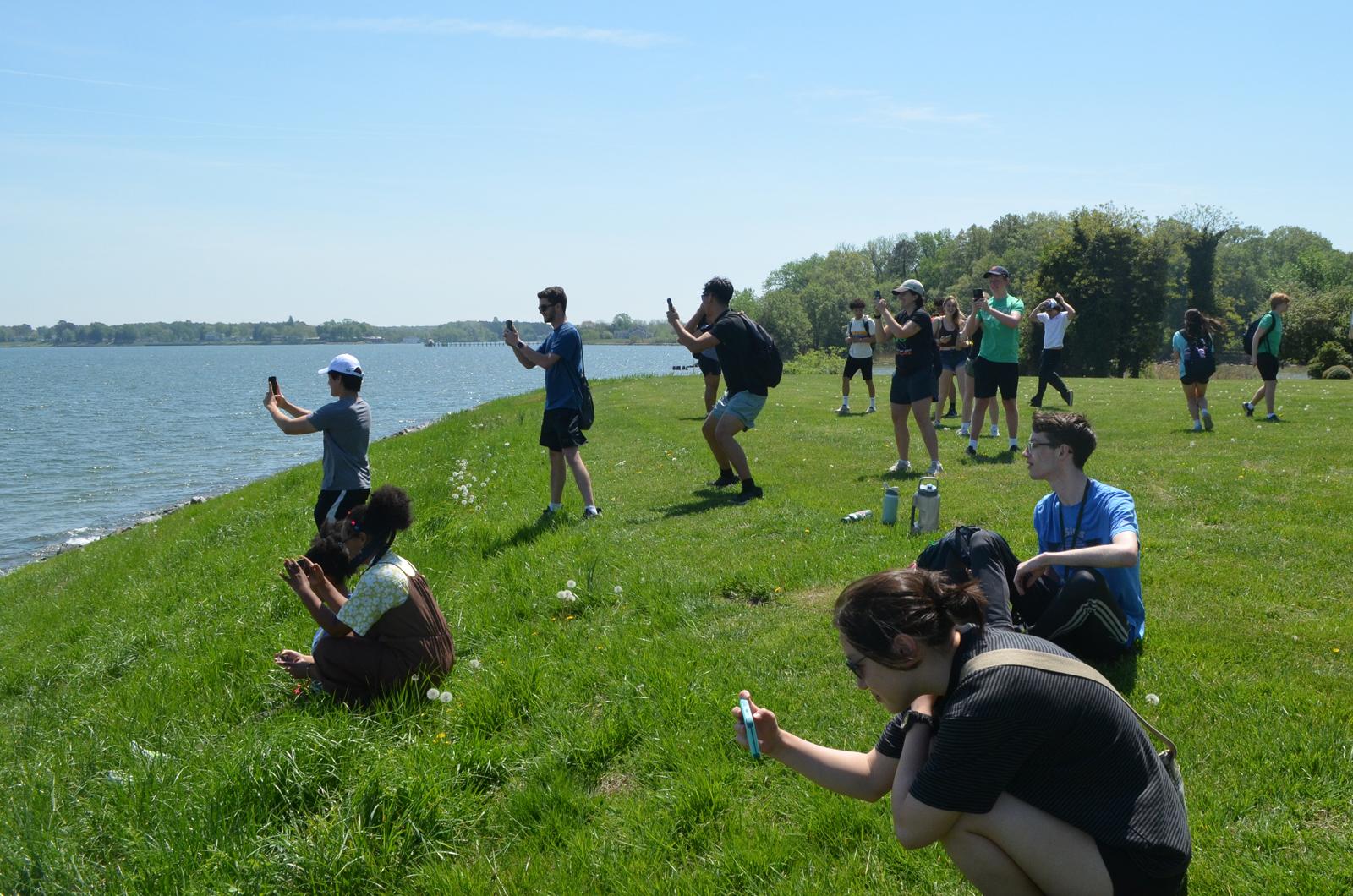
After an early departure from College Park, the group arrived at Horn Point Laboratory, part of the University of Maryland Center for Environmental Science near the Choptank River in Cambridge, MD. The group watched an introductory video about the work taking place at Horn Point, specifically around the life cycle, research, and preservation of oysters in the wake of climate change, before going on a tour.
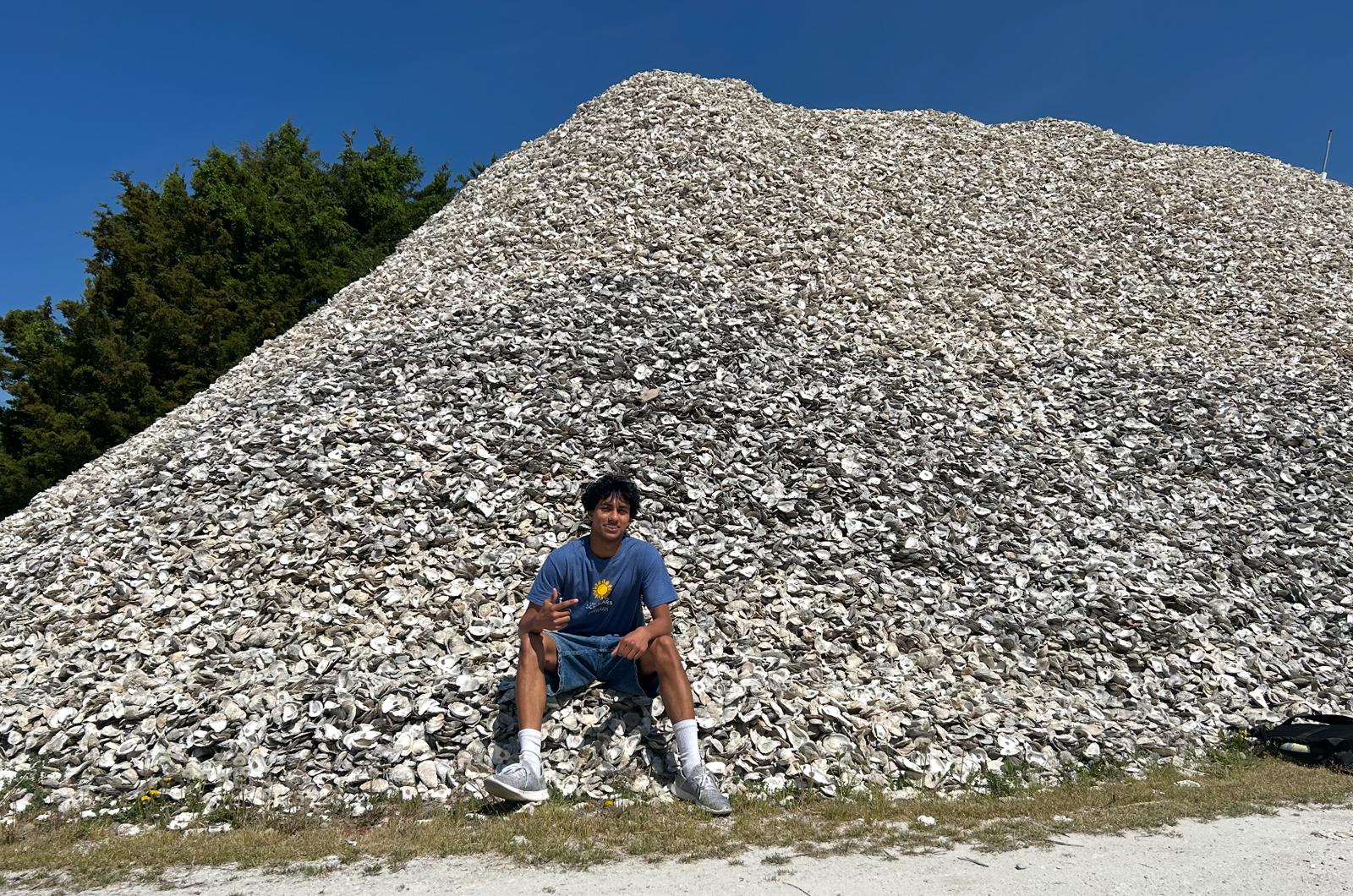
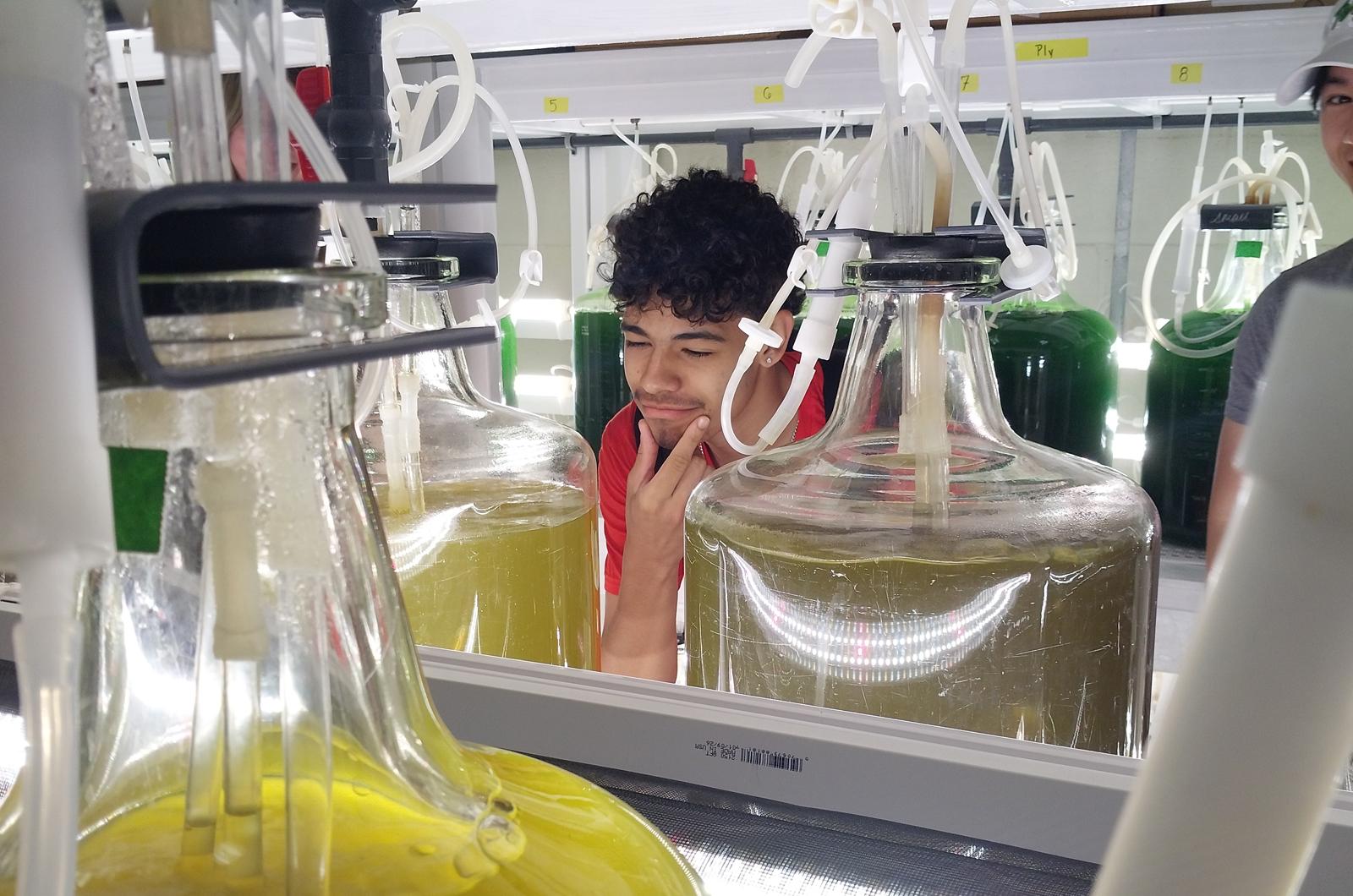
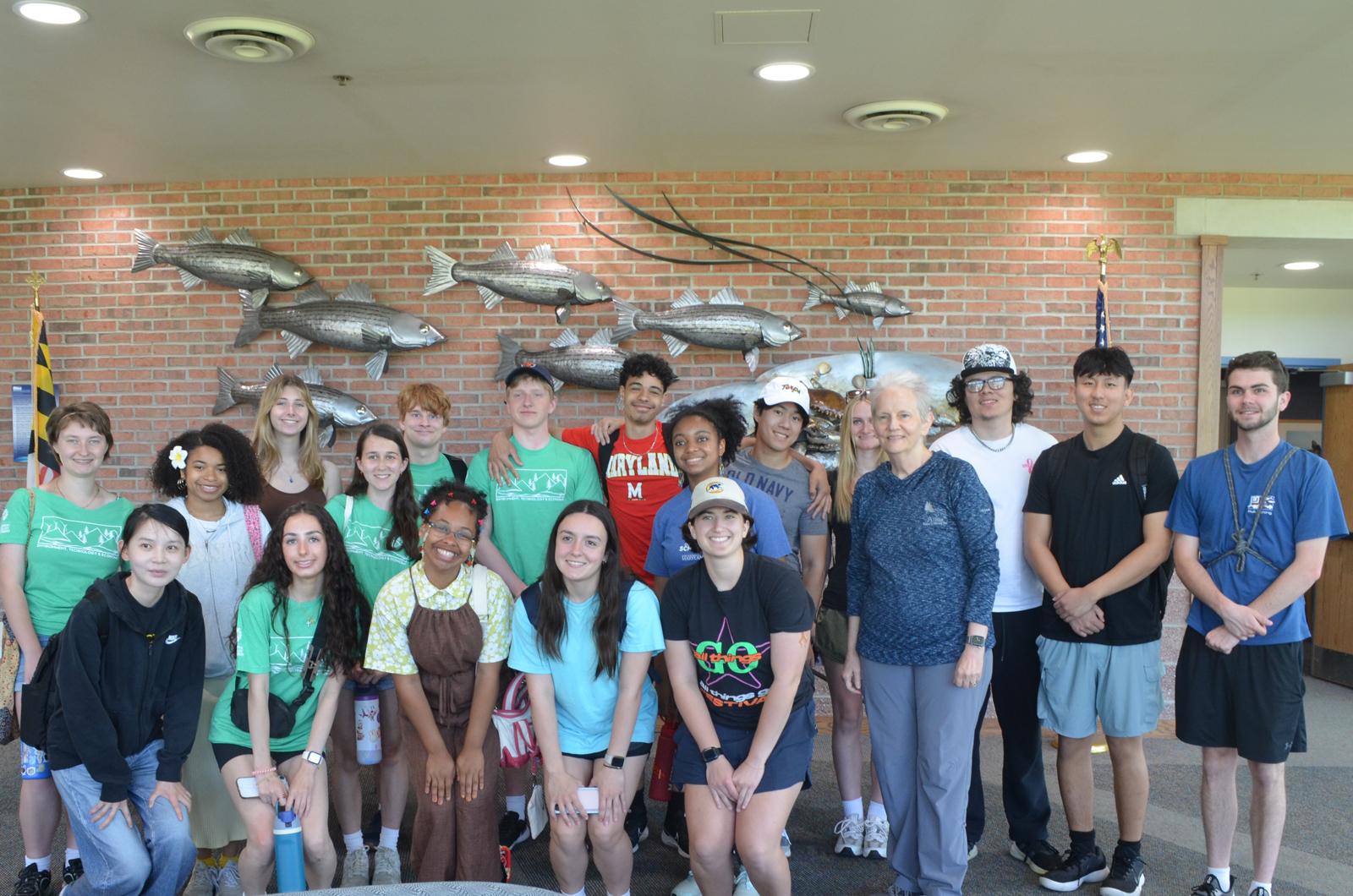
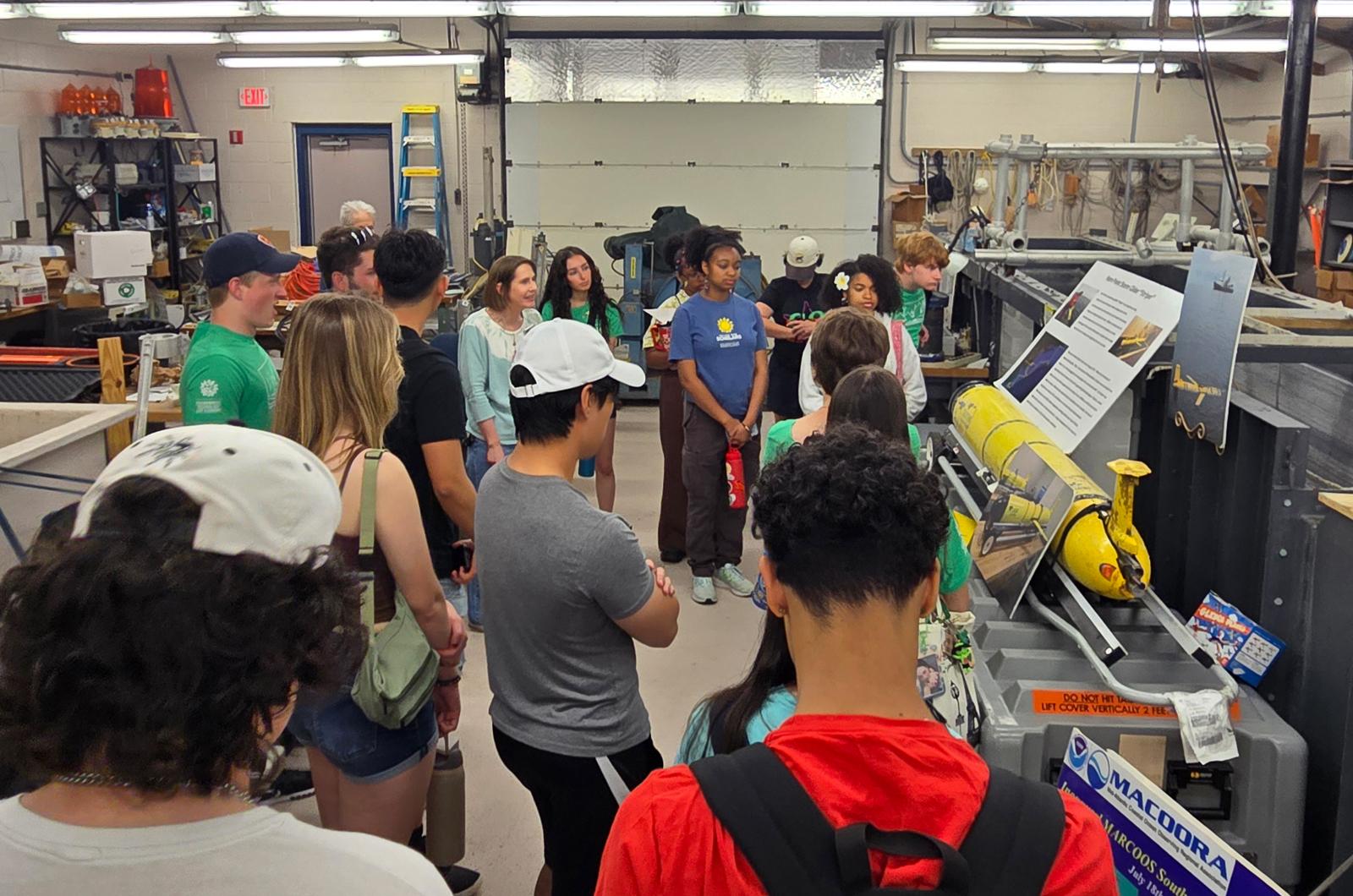
Horn Point Laboratory was beautiful, and as a landscape architecture major, I enjoyed learning about the history of Poplar Island. I intend to work on ecological restoration projects in the future, and I can use Poplar Island’s reuse of dredged materials for creating habitats as an inspiration for landscape designs that are climate resilient in the face of rising sea levels.
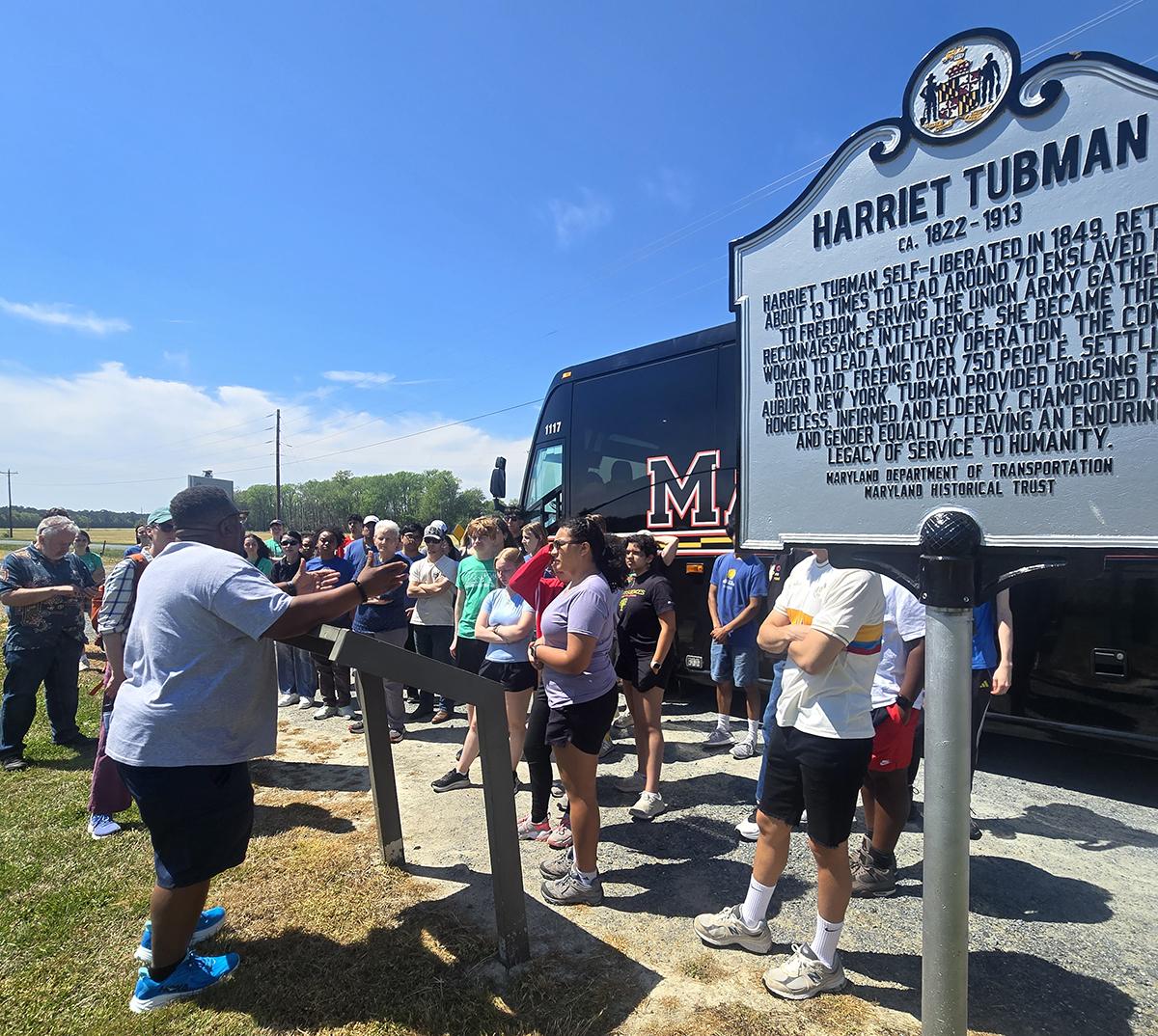
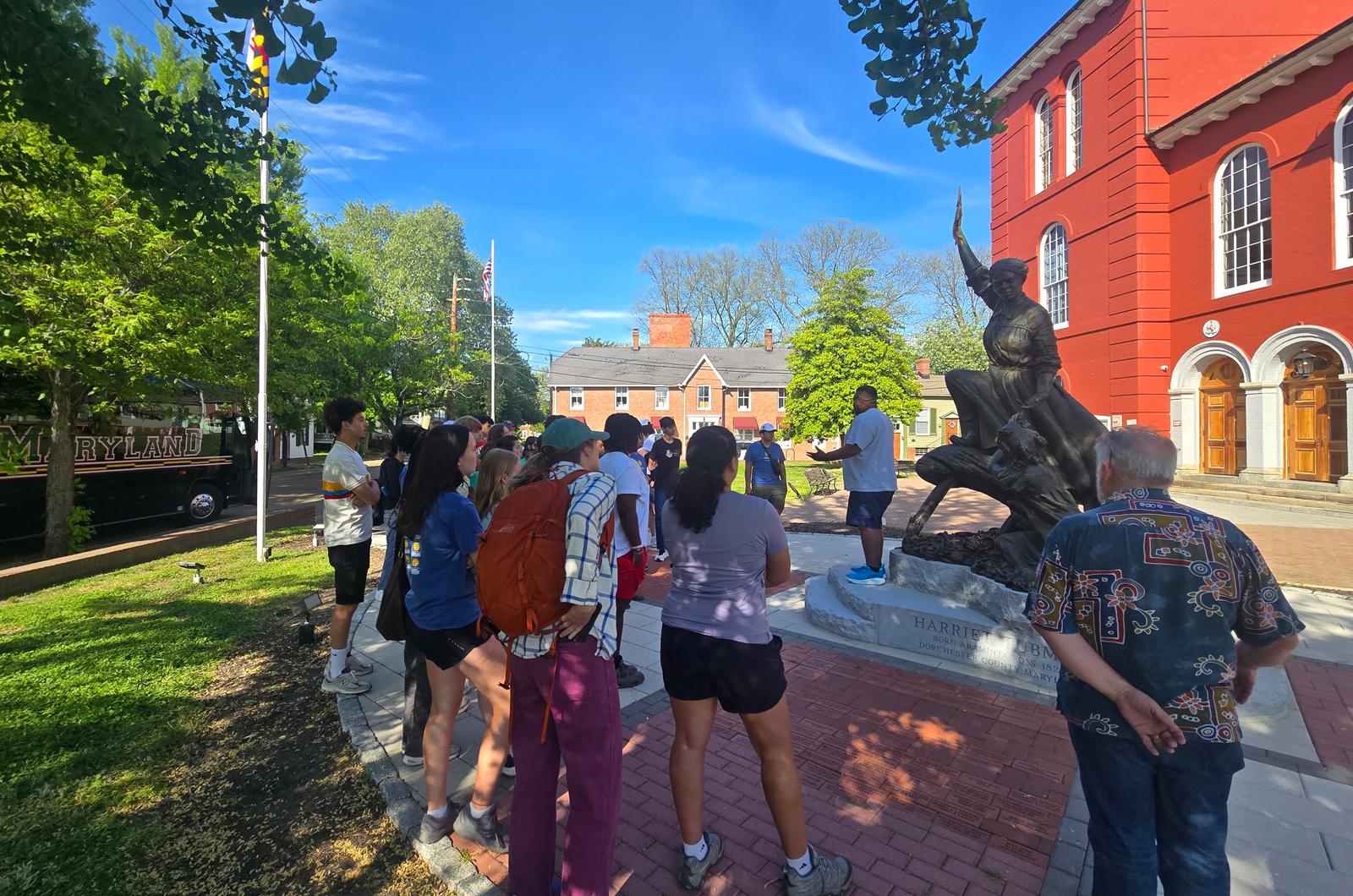
In the second half of the day, the Scholars connected with Alex and Lisa Green, owners of the Harriet Tubman Freedom Center, for an "Underwater, Underground" tour of Dorchester County and sites related to Tubman. It proved to be the perfect blend of history, ecology, and preservation for the students as they learned how climate change was threatening to submerge many of the paths traveled by Tubman en route to Philadelphia and points beyond for the more than 70 people she helped escape enslavement.
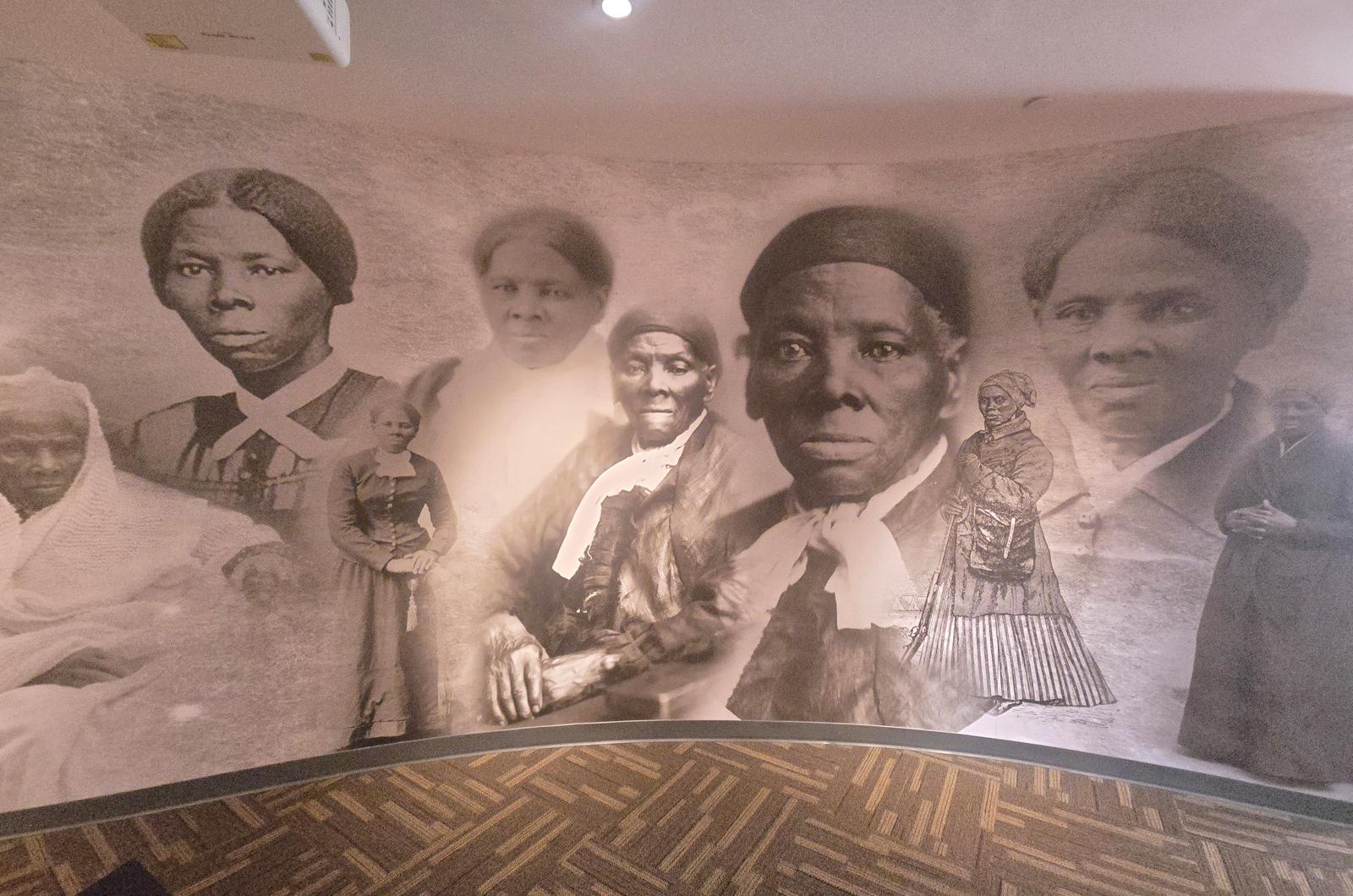
The group also visited the National Harriet Tubman Underground Railroad Visitor Center for an in-depth multimedia dive into her life and mission.
Before concluding the day trip, the Scholars tour bus drove through the expansive Blackwater National Wildlife Refuge to take in the incredible variety of birds and wildlife in the habitat.
My understanding of Harriet Tubman was completely transformed. I struggle to decide what I found more impactful– the expert explanation of her life or actually seeing where she came from and where she went. I did not understand just how much of a naturalist Harriet Tubman was. Honestly, it makes me want to continue to understand nature and geography in some... rebellious way.